Tenant or Landlord: Who Fixes the Plumbing in a Texas Rental?
Denton has a lot of renters, especially in the neighborhoods around the University of North Texas and Texas Woman's University. When a toilet overflows or the water heater quits, the first question is often who is responsible. Texas law gives a clear starting point, and this guide walks through it. It is general information, not legal advice.
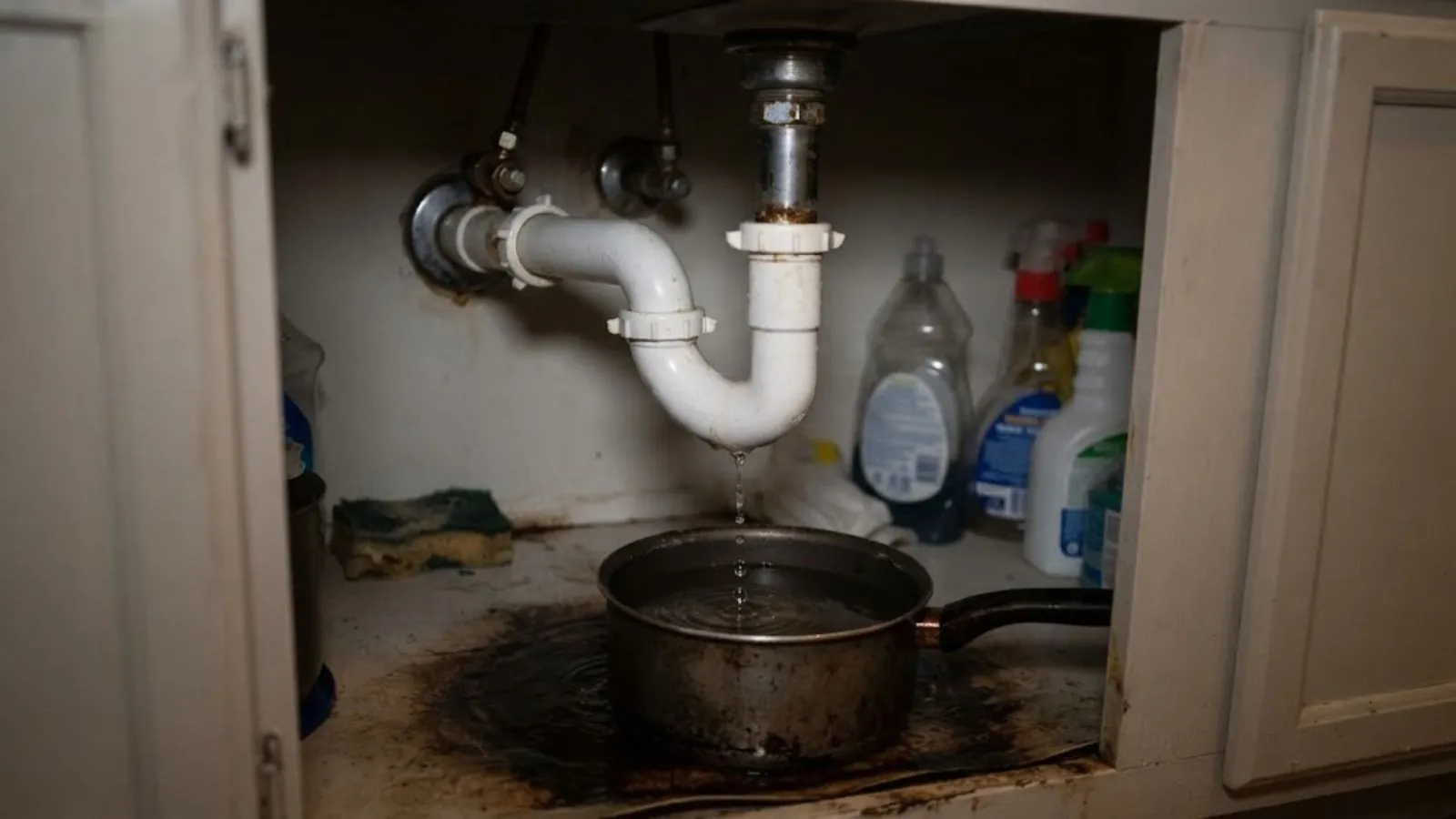
The basic rule in Texas
Chapter 92 of the Texas Property Code sets out a landlord's duty to repair. In general, a landlord must make a diligent effort to repair a condition that materially affects the physical health or safety of an ordinary tenant, once the tenant gives notice.
A few conditions apply. The tenant usually must be current on rent when giving notice. And the landlord generally is not required to repair damage the tenant, a member of the household or a guest caused, unless it came from normal wear and tear.
The law also sets a timing presumption. A repair is generally presumed to be made within a reasonable time if it is done within seven days of the notice, though the specific circumstances can change what is reasonable.
Common plumbing problems and who usually handles them
Leases vary, so read yours. This is how things commonly shake out.
| Problem | Usually | Why |
|---|---|---|
| No hot water. | Landlord. | Hot water is basic to health and sanitation. |
| Sewage backup from the main line. | Landlord. | A health hazard, usually not tenant-caused. |
| Burst pipe from a freeze. | Landlord, unless the tenant caused it. | Structural plumbing failure. |
| Toilet clogged by something flushed. | Often the tenant. | Damage caused by the household. |
| Disposal jammed by grease or bones. | Often the tenant. | Misuse, depending on the lease. |
| Dripping faucet. | Landlord, usually as a normal repair. | Normal wear, not an emergency. |
What to do if you are the tenant
These steps protect you and get the problem fixed faster.
- Stop the damage first. Close the fixture valve or the main shutoff if water is escaping.
- Notify the landlord or property manager right away, using the method the lease requires. Written notice creates a record, and some leases require it.
- Take dated photos and video of the problem and any damage.
- Keep paying rent on time. Being current matters for the repair duty.
- If the lease allows you to call a plumber for emergencies, keep the invoice and the plumber's report.
- Do not make major repairs yourself unless the landlord agrees in writing.
Texas law has specific remedies for tenants when a landlord does not repair, but they come with strict notice and procedure requirements. Read the law or get legal help before using any of them.
What to do if you are the landlord
Respond to plumbing reports quickly, even if the fix itself takes a few days. A plumbing problem left alone usually gets more expensive, whether it is a slow leak rotting a subfloor or a running toilet raising the water bill you may be paying.
Tenant turnover is the best time for preventive work. Between leases, check the water heater's age, run the disposal, dye-test the toilets, look under sinks for slow leaks and clear kitchen drains. Near UNT and TWU, many houses turn over every year, which makes this a natural schedule.
Tell the plumber who approves work and who pays. A plumber can then confirm with you before starting, instead of leaving a tenant waiting.
A move-in and move-out plumbing checklist
Tenants and landlords both benefit from documenting plumbing at the start and end of a lease.
- Run every faucet, hot and cold, and note weak flow or drips.
- Flush every toilet and listen for running afterward. Do the dye test if unsure.
- Run the disposal and dishwasher, then look under the sink for leaks.
- Check the water heater label for its age, and look for rust or water at the base.
- Find the main shutoff and make sure the tenant knows where it is.
- Photograph under every sink and around the water heater, with dates.
A shared checklist with photos avoids most deposit disputes about plumbing damage. Inside Denton city limits, repairs the landlord arranges are held to the 2021 International Plumbing Code (IPC), with permits where the work requires them.
The repairs that come up most in Denton rentals
Rental kitchens see heavy use, and garbage disposals take a beating. Grease, rice, pasta and fibrous scraps are the usual causes of jams and clogs. The garbage disposal repair page covers what can be fixed and what needs replacing.
Toilets are next. Running flappers, worn fill valves and clogs from wipes all show up often. Toilet repair is usually a same-day fix.
Older rentals near downtown may also have galvanized supply pipe and cast iron drains, which lead to low pressure, discolored water and recurring clogs. Those are landlord-level repairs.
Safety first, whoever pays
Some situations cannot wait for the question of responsibility. If you smell gas, leave and call Atmos Energy or 911 from outside. If sewage is backing up, stop using water and keep people away from it. If water is near outlets or the electrical panel, stay clear.
Those are emergencies for everyone. Sort out who pays after the danger is handled. The same 24/7 line covers rental properties across Denton and nearby towns, including Corinth.
Rental plumbing questions
If the clog came from something the household flushed, many leases allow it. If it came from an old drain line or a main line problem, it is usually the landlord's responsibility.
No. It is a presumption about what is reasonable, and circumstances matter. An emergency such as no water or a sewage backup calls for a much faster response.
Only if the lease allows it or the landlord approves. In a true emergency, stop the water first and then contact the landlord.
The landlord's insurance usually covers the building, not a tenant's belongings. Renter's insurance is what typically covers personal property damaged by a burst pipe or overflow. It is inexpensive in most cases and worth having in any rental. Document the damage with photos right away and report it to both the landlord and your insurer.
Texas Property Code Chapter 92 is available on the Texas Legislature's statutes website. TexasLawHelp.org also publishes plain-language guides for tenants.
Denton Apex Plumbing coverage map
Coverage map for Denton and the nearby Denton County towns we serve.
Need a plumber for this?
Call the 24/7 line for Denton and nearby towns. Describe what you are seeing.
Call (940) 229-7314