Does Denton Require a Permit to Replace a Water Heater?
Replacing a water heater feels like swapping an appliance. In code terms, it is plumbing, gas or electrical, and venting work. That is why most cities, Denton included, expect a water heater permit and an inspection. This guide explains what that involves and why it is worth doing.
The short answer
Independent permit guides and local plumbers report that the City of Denton requires a plumbing permit to replace a water heater, even with the same type and size. Confirm the current rules with the City of Denton's Development Services department before work starts, since requirements and fees can change.
In practice, a licensed plumber pulls the permit as part of the job and schedules the inspection. The homeowner mainly needs to make the heater accessible on inspection day.
Denton adopted the 2021 International Plumbing Code (IPC), effective June 2022, with regional amendments. Inspectors check the new installation against that code and its companion fuel gas and electrical codes.
Why the permit matters
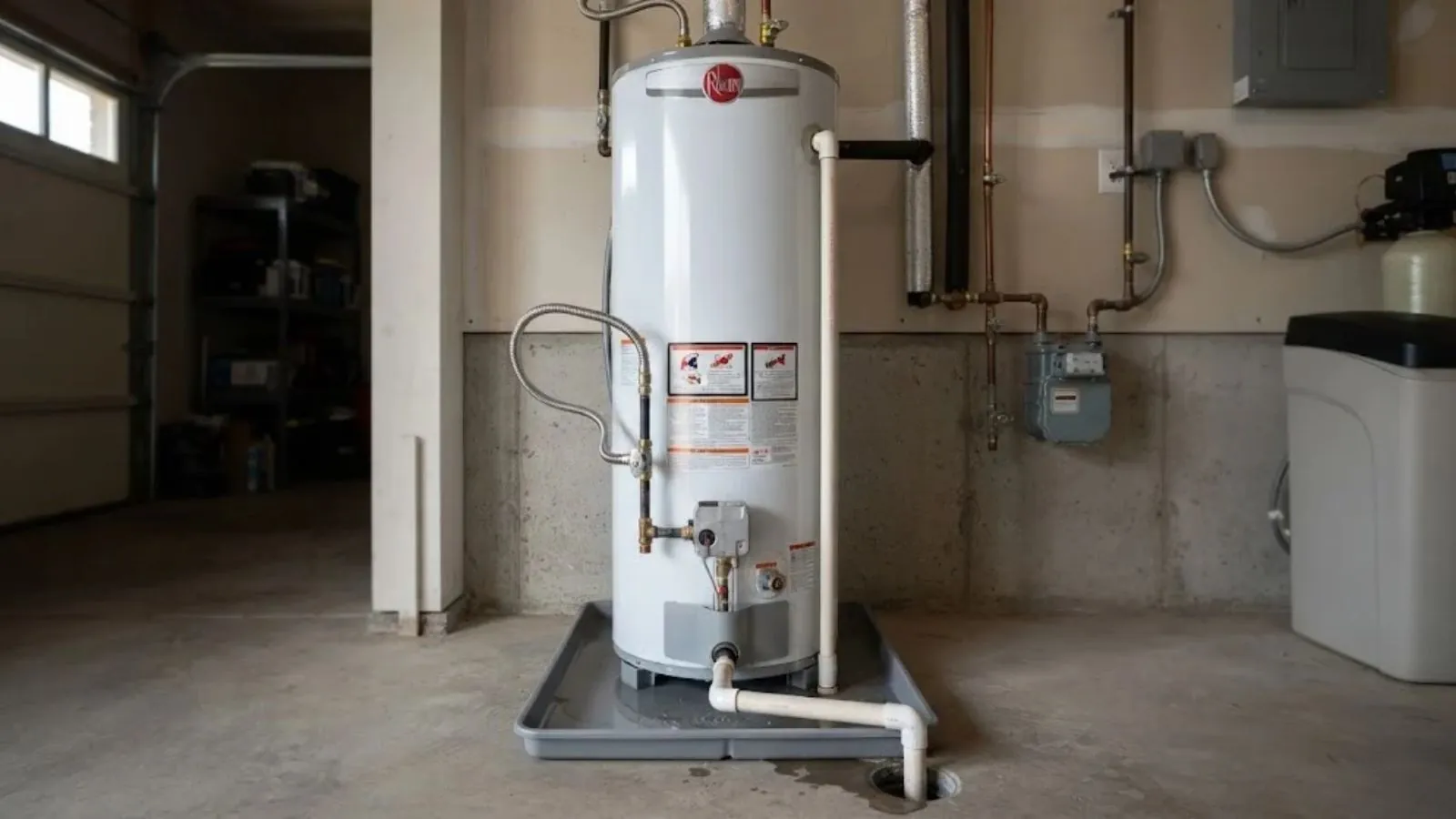
Water heaters combine pressurized hot water, fuel or high-amperage power, and exhaust. Most of the serious hazards come from installation mistakes: a relief valve drain that is capped or run the wrong way, a vent that slopes downward or leaks exhaust, or a gas connection without a proper shutoff.
An inspection is a second set of eyes on exactly those items. It is also a record. When you sell a house, buyers and their inspectors may ask about the water heater's installation. When you file an insurance claim, an unpermitted install can raise questions.
Skipping the permit rarely saves much, and it shifts all of that risk onto the homeowner.
What an inspector typically checks
Exact items vary by installation. These come up on most water heater inspections.
| Item | Why it matters |
|---|---|
| Temperature and pressure relief valve discharge pipe. | Must run full size to a visible, approved termination, never capped. |
| Gas shutoff valve and sediment trap. | Allows safe shutoff and protects the gas controls from debris. |
| Venting slope, connections and clearances. | Carries exhaust out and keeps combustion gases out of the home. |
| Drain pan where a leak could damage the building. | Catches leaks in attics, closets and upper floors. |
| Thermal expansion control where required. | Protects the tank when a check valve or backflow device closes the system. |
| Electrical connection and bonding. | Safe power supply for electric and heat pump units. |
| Clearances and access. | Room to service the unit and keep combustibles away. |
How the process usually goes
For a standard same-type replacement, it looks like this.
- The plumber confirms the new unit's size and type and checks the existing gas line, venting and electrical supply.
- The plumber applies for the permit with the City of Denton.
- The old heater is removed and the new one installed, with any code corrections made along the way.
- The water heater is put into service so the household has hot water.
- An inspector visits to check the installation, usually within days. Someone may need to provide access.
- If anything needs correcting, the plumber fixes it and the inspection is completed.
Common code corrections on older Denton installs
Replacing a heater that went in 15 or 20 years ago often turns up a few items that no longer meet code. These are the usual ones.
- A relief valve line that is missing, undersized or capped.
- No drain pan under a heater in an attic or interior closet.
- An old flexible gas connector that should be replaced with the new unit.
- Vent connectors with poor slope or loose joints.
- No expansion tank where the water system is closed by a check valve or pressure reducing valve.
These corrections add some cost, but they are the parts of the job that most affect safety.
What to do if something seems wrong after an install
A new water heater should run quietly and safely. These are signs to stop and call right away.
- A gas smell near the heater. Leave the house and call Atmos Energy or 911 from outside.
- Soot or scorch marks around the burner opening or vent hood, which point to a venting or combustion problem.
- A carbon monoxide alarm going off. Get everyone outside and call 911.
- Water dripping from the relief valve pipe repeatedly, which can mean pressure or temperature is too high.
- Water at the base or fittings in the first days after installation.
- No hot water, or water far hotter than the setting, which points to a control problem.
A permitted installation has a paper trail and an installer who is accountable for fixing these issues. That is one more reason to use the permit process.
Emergencies and permits
When a tank fails and water is on the floor, nobody wants to wait for paperwork. In most emergency replacements the plumber installs the new heater right away and completes the permit process promptly afterward, as local rules allow. Ask your plumber how they handle it.
For a planned replacement, there is time to choose the right unit. Our water heater installation page covers sizing and types, and if the swap involves a new or resized gas line, the gas line installation and repair page explains that side.
What about nearby towns?
Each city sets its own permit rules and adopts its own code editions and amendments. Most North Texas cities follow a similar approach, but fees, forms and inspection scheduling differ.
If you live in a nearby town such as Sanger, your plumber pulls the permit from that city rather than Denton. Homes outside city limits may fall under county or no local permitting, though good installation practice still applies.
Water heater permit questions
Some cities allow homeowners to permit work on their own homes, with conditions. Ask the City of Denton's Development Services department what applies before doing the work yourself.
Fees change, so check the city's current fee schedule or ask your plumber. The permit fee is usually a small part of the total job.
Nothing, usually, until you replace it or sell the house. Replacing it with a permit brings the installation up to current code and creates a clean record.
It varies with the city's workload. Your plumber usually knows the typical wait and can tell you whether someone needs to be home for the inspection.
Yes. It usually involves gas line, venting and electrical changes, all of which are permitted work.
Denton Apex Plumbing coverage map
Coverage map for Denton and the nearby Denton County towns we serve.
Need a plumber for this?
Call the 24/7 line for Denton and nearby towns. Describe what you are seeing.
Call (940) 229-7314