Sump Pump Repair & Installation in Denton, TX
Few Denton homes have basements. Plenty still depend on a pump: a French drain pit by the foundation, a crawlspace under an older pier-and-beam house, or an ejector pump below a sunken bathroom. When one fails during a North Texas downpour, water rises fast. Emergency sump pump repair in Denton, TX is on the 24/7 line.
Where Denton homes actually use sump pumps
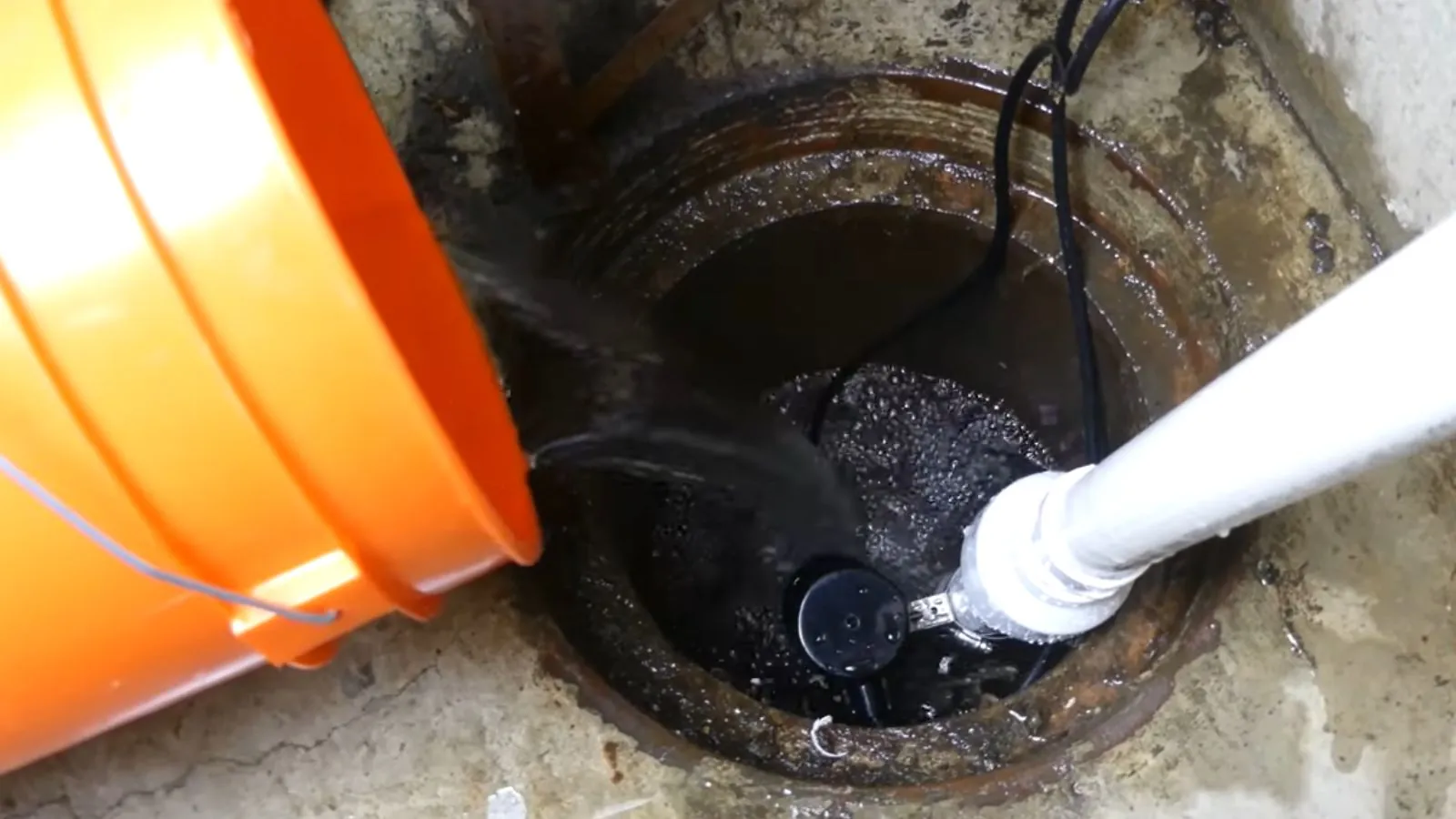
A sump pump is an electric pump in a pit that collects groundwater or drainage and pushes it out and away from the house. In markets with basements, it sits in the basement floor. In Denton, most homes are slab-on-grade, so pumps show up in different places.
The most common is a drainage pit tied to a French drain or yard drain, often installed alongside foundation work. Denton's expansive clay holds water, and a drain that collects runoff near the slab needs a pump when there is no downhill route to let it flow away by gravity.
Older pier-and-beam homes near downtown and in the Oak-Hickory area sometimes have a pump in the crawlspace to keep standing water from collecting under the floor. And some homes with a below-grade bathroom or a garage-level laundry use a sewage ejector pump, a related but different device that lifts wastewater up to the sewer line.
Local plumbers and foundation contractors across Denton offer sump installation for exactly these reasons, even though basements are rare here.
Pump failed during a storm? Do this first
Water and electricity are the main risks. Work through these in order.
- Stay out of standing water near the pump. Switch off its circuit at the breaker only if you can reach the panel from a dry spot.
- Check the obvious: is the pump plugged in, has a GFCI outlet tripped, has the breaker tripped?
- Look at the float switch. A float stuck against the pit wall is the most common reason a working pump does not start.
- If water keeps rising, move belongings away and photograph the area for insurance.
- Call the 24/7 line. If sewage is involved, as with an ejector pump, stop using water in the house.
Common failures and what they mean
Most pump problems fall into a handful of patterns.
| What you notice | Likely cause | Typical fix |
|---|---|---|
| Pump hums but does not pump. | Jammed impeller or a stuck check valve. | Clear the intake, repair or replace the valve. |
| Pump never turns on. | Float stuck, tripped GFCI or a failed motor. | Free the float, reset power, or replace the pump. |
| Pump runs constantly. | Float stuck up, or more inflow than the pump can handle. | Adjust the switch, or upsize the pump. |
| Pump cycles on and off rapidly. | Pit too small or check valve letting water fall back. | Replace the check valve or enlarge the pit. |
| Water pools where the discharge ends. | Discharge line too short, or pointed back toward the house. | Extend and reroute the discharge. |
If water has already soaked flooring or walls, drying is a separate job for our restoration and drying service, which has its own line.
Where the water is allowed to go
A sump pump that collects groundwater and rain must not discharge into the sanitary sewer. The International Plumbing Code (IPC), which Denton adopted in its 2021 edition, keeps storm and groundwater out of sewers meant for sewage only. Extra rainwater in the sewer is one of the reasons mains back up during storms.
Instead, the discharge should run to daylight, a dry well or an approved storm drainage point, far enough from the foundation that the water does not soak back toward the slab. On clay soil, a discharge that dumps right next to the house can undo the point of having a pump.
Sewage ejector pumps are the opposite case. They carry wastewater and must connect to the sanitary drain, with a sealed, vented basin. Mixing up the two is a common mistake when older setups are modified.
Signs your pump needs service before the next storm
Test the pump in spring and fall, before the heavy rain seasons. Pour a bucket of water into the pit and watch it cycle.
- The pump is more than about ten years old.
- It makes grinding, rattling or loud humming noises.
- It runs even when the weather has been dry, which can point to a hidden water source such as a leaking supply line.
- Rust, sludge or debris has built up in the pit.
- There is no backup, such as a battery-powered secondary pump, in a spot where failure would flood living space.
A pump that runs in dry weather is worth a meter test. A leak check on the supply lines shows how to rule out a leaking water line as the source.
What sump pump work costs depend on
These factors decide most of the price.
- Repair versus replacement, and the pump type: submersible or pedestal.
- Adding a battery backup or an alarm.
- Digging a new pit versus replacing a pump in an existing one.
- Discharge line length and where it can legally drain.
- Emergency timing during a storm versus a scheduled visit.
Some homeowner policies only cover water from a failed sump pump if a specific endorsement was added. Check yours before storm season.
Sump pump questions
Most slab homes do not. It becomes useful when a French drain or yard drain collects water near the foundation and there is no downhill route for it to drain by gravity.
A sump pump moves groundwater and rain away from the house. An ejector pump lifts wastewater from a below-grade toilet, shower or laundry up to the sewer line. They are not interchangeable.
No. Groundwater and rain must stay out of the sanitary sewer. The discharge should go to an approved outdoor location.
Yes, including newer homes around Aubrey where drainage systems were added after construction.
Denton Apex Plumbing coverage map
Coverage map for Denton and the nearby Denton County towns we serve.
Pump failed and water rising?
24/7 emergency sump and ejector pump repair across Denton, TX.
Call (940) 229-7314